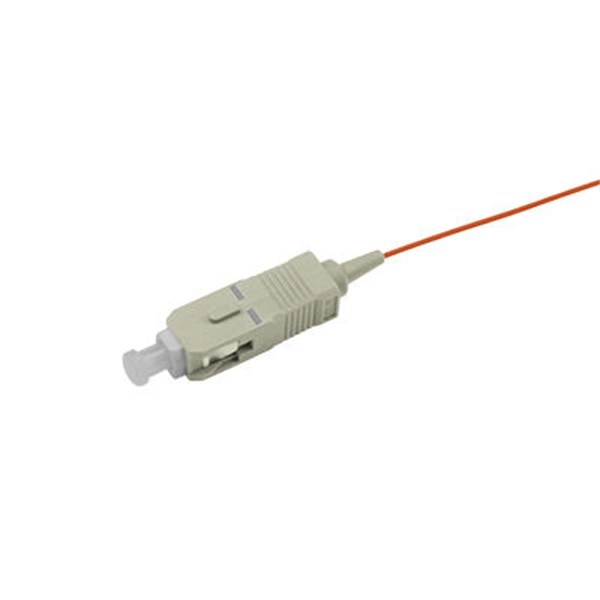
Fittings for optical cables in power systems, such as OPGW, OPPC, and ADSS, include joint boxes, tension clamps, suspension fittings, and lightning protection devices designed for mechanical strength, environmental protection, and reliable signal transmission. Types of Fittings1.
Joint Boxes and Splice Boxes
Used for connecting and protecting optical fibers at intermediate or terminal points. Provide IP67-level sealing to prevent water and dust ingress, ensuring long-term reliability in outdoor environments. Constructed from aluminum or stainless steel for mechanical protection and corrosion resistance.
Modular designs allow for direct and branch connections, accommodating multiple cable diameters (typically 9 mm to 28. 6 mm) and up to six optical cables per box. 2.
Tension and Suspension Fittings
Tension clamps secure cables under mechanical load, with maximum tension strengths reaching over 1200 kN for high-voltage applications. Suspension fittings support cables on towers while maintaining proper sag and tension, preventing fiber damage during installation and operation. Straining and hanging procedures are carefully controlled, typically keeping tension below 20% of the rated tensile strength (RTS) to protect fibers.
3.
Lightning Protection and Dampers
Special fittings include lightning arresters and dampers to protect optical cables from electrical surges and mechanical vibrations. These devices are installed according to tower type and environmental conditions, ensuring both safety and signal integrity.
Materials and Standards
Fittings are made from aluminum, copper, steel, or composite materials depending on mechanical and environmental requirements. Products comply with IEC standards (IEC 61284, IEC 61854, IEC 61897) and can be customized to meet AS, BS, DIN/VDE, ICEA, or IS standards. Designed for extreme conditions, including heavy ice loads, ultra-low temperatures, river crossings, and high-corrosion areas.
Installation and Testing
Installation requires preparation of line data, tower parameters, and environmental conditions. Optical fibers are tested using OTDR (Optical Time Domain Reflectometer) to measure fiber loss and ensure proper splicing. Construction methods include tension stringing to maintain constant cable tension and prevent fiber damage.
On-site training and supervision are recommended to ensure correct installation and compliance with technical specifications.
Key Considerations
Ensure compatibility of fittings with cable type (OPGW, OPPC, ADSS) and diameter. Use high-quality materials to resist UV, corrosion, and mechanical stress. Follow installation guidelines for tension, sag, and environmental protection to maintain fiber integrity.
Modular and flexible designs allow for future network upgrades and easy maintenance. These fittings are critical for maintaining mechanical stability, electrical safety, and optical signal integrity in high-voltage transmission systems, ensuring long-term reliability and efficient operation of power networks.