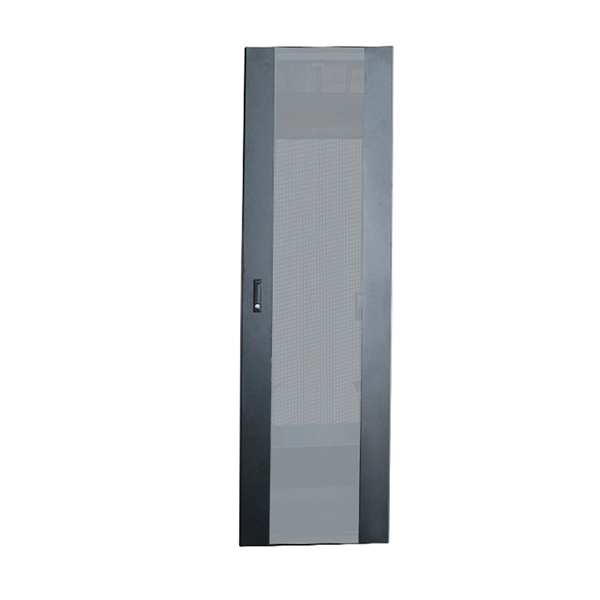
Relay protection rooms must maintain controlled ambient temperatures, typically between 10°C and 40°C, with proper ventilation and heat dissipation to ensure reliable operation of relays and associated control equipment.
Ambient Temperature Guidelines
Protection relays and control panels are sensitive to temperature variations.
IEE
E Std C37. 90 specifies that relays should operate reliably within a defined temperature range, often between 0°C and 40°C, with allowances for short-term excursions depending on the relay type and manufacturer ratings. Excessive heat can accelerate component aging, reduce insulation life, and affect relay accuracy.
IE
C safety standards (IEC 60950-1, IEC 61010-1, IEC 62368-1) emphasize that equipment enclosures must prevent surface temperatures from exceeding safe limits for operators, and internal components must be designed to dissipate heat effectively. Proper thermal design includes spacing, airflow, and derating of components based on ambient temperature.
Ventilation and Cooling
Relay rooms should be equipped with forced ventilation or air conditioning to maintain stable temperatures, especially in regions with high ambient heat. Heat-generating components, such as power supplies and transformers, must be positioned to allow natural convection or forced airflow. Derating curves provided by manufacturers indicate maximum allowable power dissipation at different ambient temperatures, which should guide room design.
Monitoring and Maintenance
Temperature monitoring is critical.
NER
C PRC-005-6 requires documented maintenance programs for protection systems, including environmental conditions that could affect relay performance. Continuous monitoring of room temperature, humidity, and ventilation ensures that relays operate within their rated thermal limits, preventing malfunctions or false trips.
Summary of Key Requirements
Ambient temperature range: Typically 10°C–40°C; consult manufacturer specifications for exact limits. Ventilation: Adequate airflow or air conditioning to remove heat from panels and equipment. Thermal derating: Apply manufacturer derating curves to ensure components are not overloaded at higher temperatures.
Monitoring: Continuous temperature and humidity monitoring to maintain safe operating conditions. Compliance: Follow IEEE, IEC, and NERC standards for relay operation and safety. Maintaining these temperature management practices ensures reliable operation, longevity, and safety of relay protection systems in substations and control rooms.